Etelier Gallery / Webverry + RILT
A release system built for demand that arrives all at once.
2023 to now. Webverry built the storefront and release experience; RILT supports the operating layer for an event-driven brand.
At a glance
- Situation
- Release demand arrived in defined windows, while access and drop operations were being managed manually.
- Mandate
- Make access, storefront behavior, and drop operations dependable without a team running the release by hand.
- Webverry owned
- The customer-facing storefront, Shopify integration, and release experience. RILT supports the shared operating layer.
- Timeline
- 2023 to now · ongoing partnership
- Status
- A live release system for configured access windows, storefront operations, and post-release reporting.
The constraint: demand arrives all at once.
Etelier Gallery releases in defined windows. The work accumulates for weeks, then demand arrives all at once. Access has to open exactly when it should, the experience has to hold under attention, and the team needs to know what is happening without running the release by hand.
When the work began, the system behind that moment was manual: people watching a calendar, unlocking the store, preparing notifications, and hoping every step stayed in sync. The first task was a better storefront. The real task turned out to be making the drop itself operable.
First, the storefront.
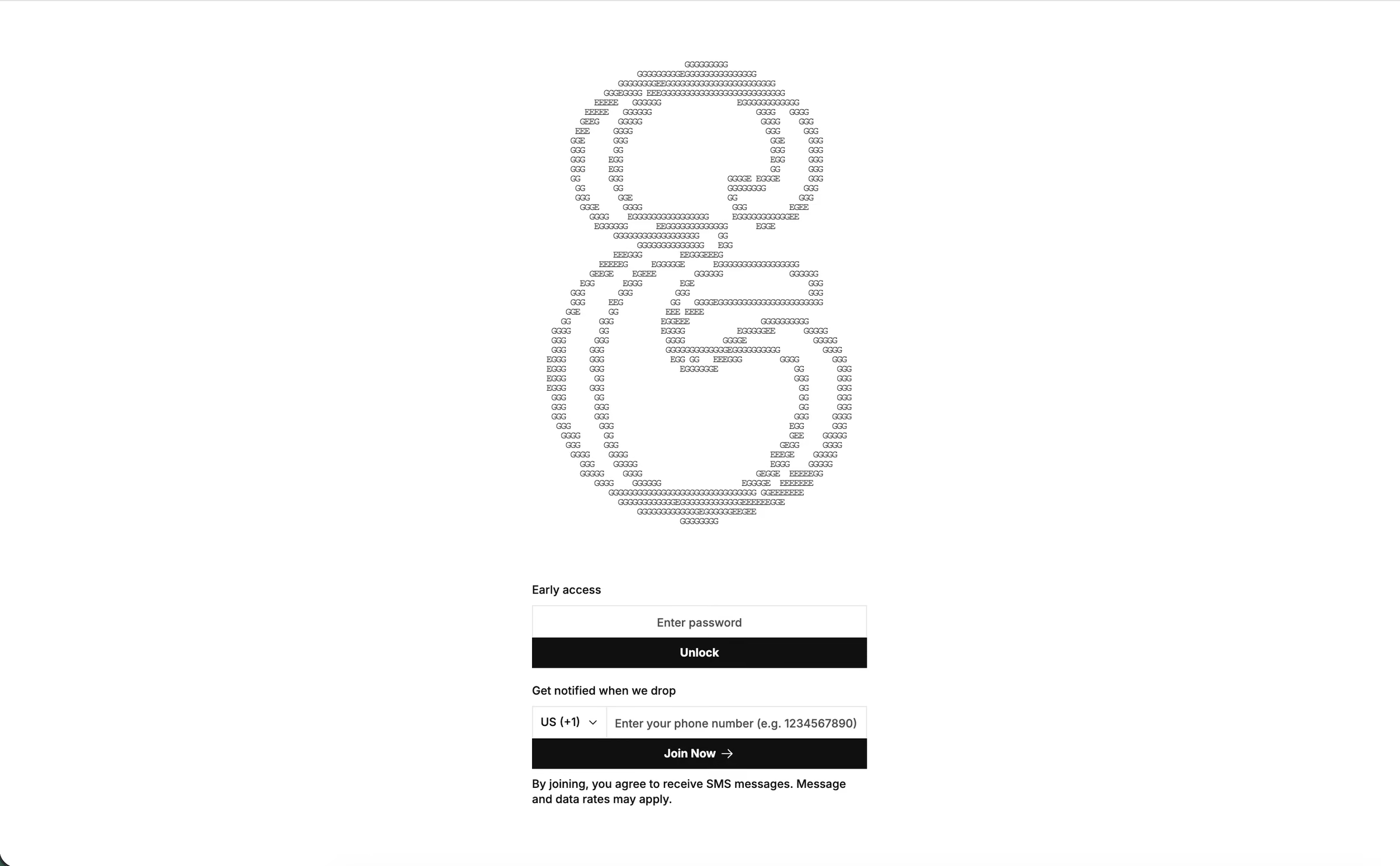
We separated Etelier's customer experience from the Shopify theme layer so the store could behave like the brand's releases do: precise, visual, and built around a moment rather than an evergreen catalog. The unlock screen, product pages, cart, and editorial gallery were designed as one branded release instead of a set of templates.
Shopify stays where it is strongest. Products, inventory, orders, payments, and checkout remain in Shopify; only the customer-facing layer is built independently, around Etelier's needs.
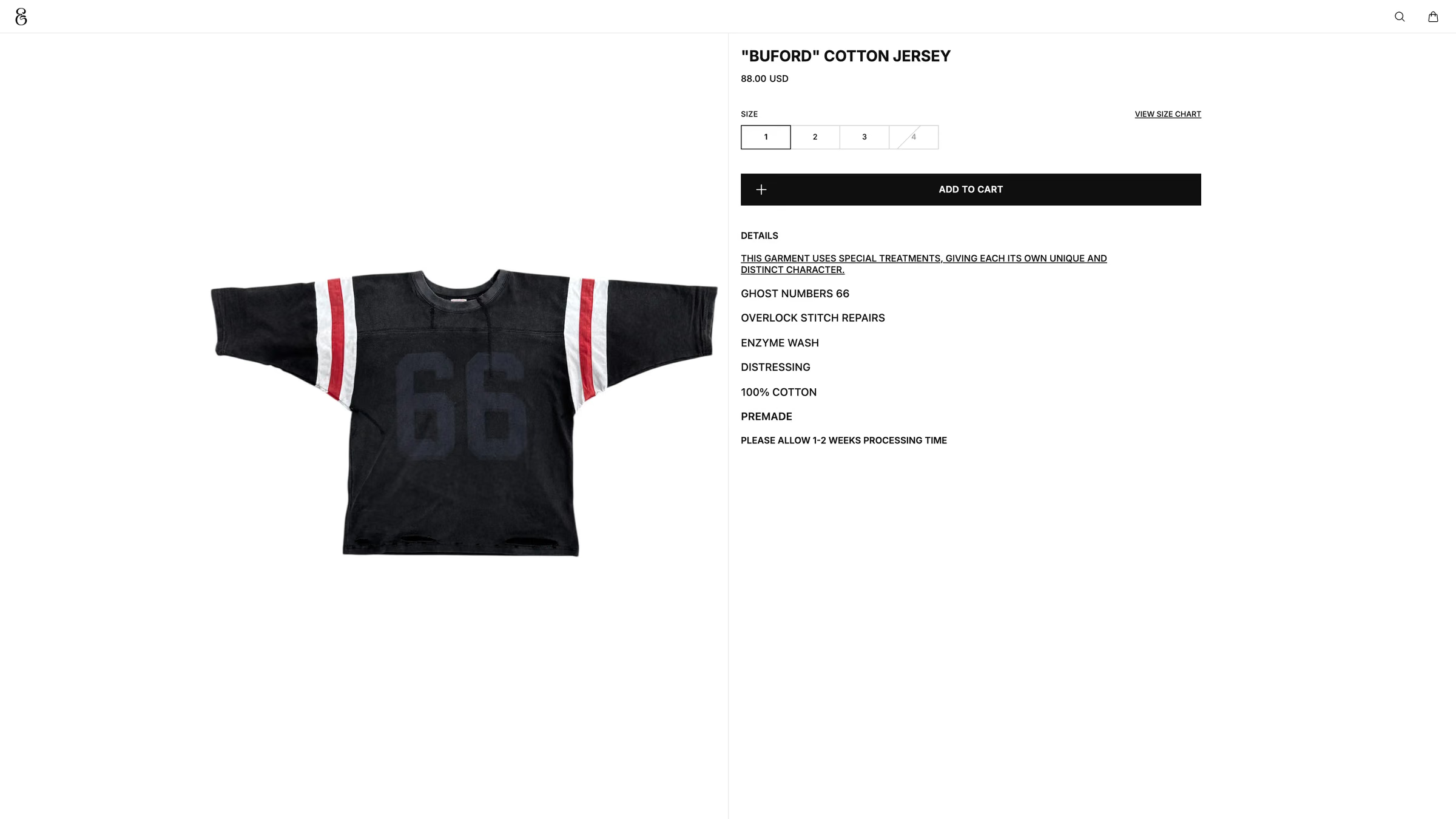
Product detail
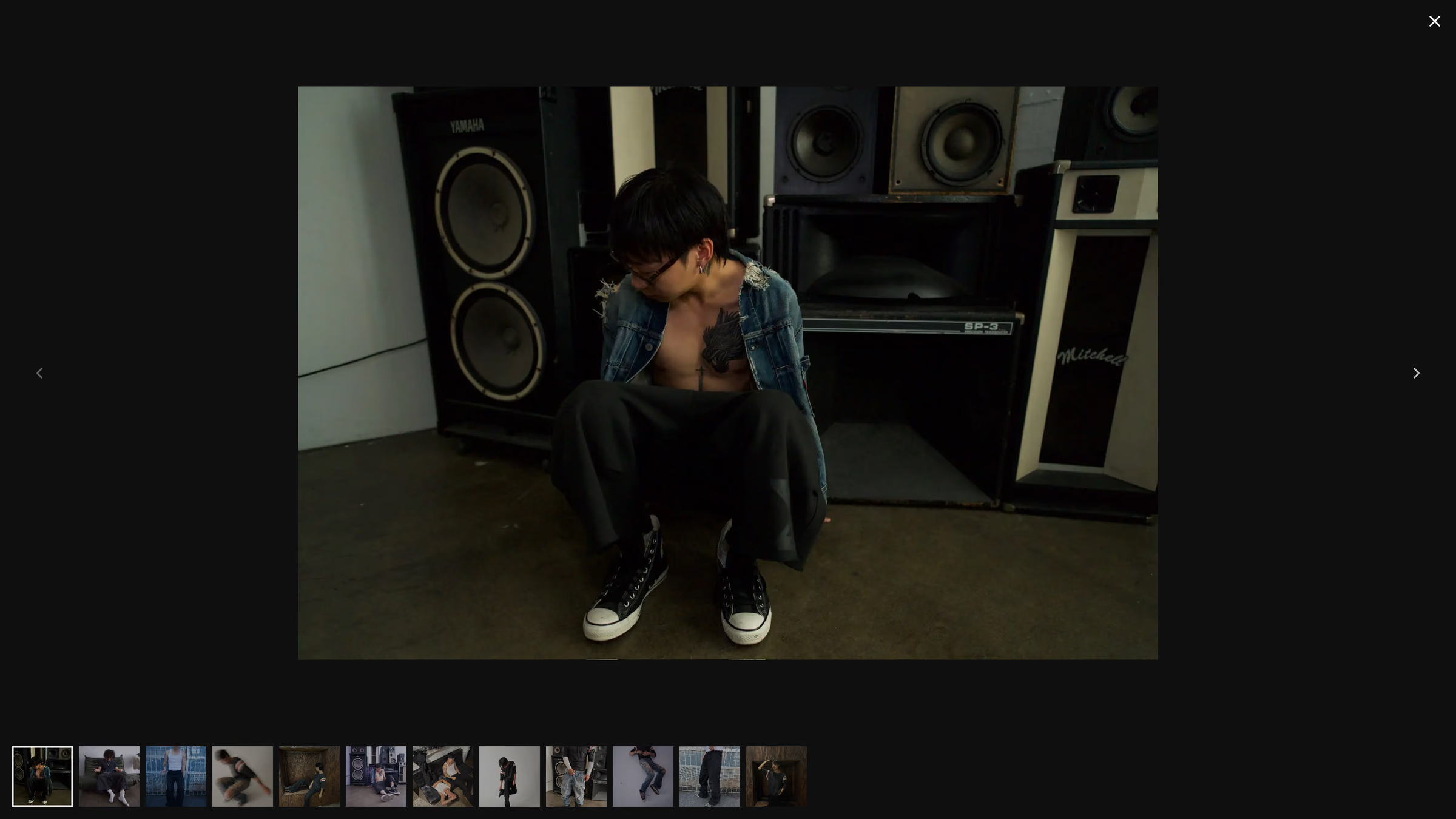
Editorial gallery
Then, the system behind the drop.
Webverry built the customer-facing release experience. RILT supports the operating layer behind it. A drop is configured once, access follows the schedule, and the team has a shared view of the release as it unfolds, before, during, and after.
Before the drop
- Drop setup
- Create the release, set the access windows, and let it run on schedule.
- Catalog and gallery
- The team configures what each release shows without touching code.
While it runs
- Tiered access
- Windows open in sequence; the public link opens last.
- Live overview
- Realtime orders and claim activity while the release is open.
After the drop
- Tier growth
- Who the list is, not only what it bought.
- Release reporting
- Post-drop analysis that carries into planning the next one.
One system, from setup to release.
The storefront, access rules, drop configuration, and reporting are connected rather than managed as separate tools. Shopify remains the commerce engine underneath; RILT operates the release above it.
Release layer
Webverry + RILT
- Storefront
- Built around the brand, not a theme
- Tiered access
- Scheduled windows, opened in sequence
- Drop operations
- Release, gallery, and catalog in one place
- Live insight
- Realtime and post-drop views
- Forecasting
- Sizing informed by real order history
Commerce layer
Shopify
- Checkout
- Payments, tax, and fraud protection
- Inventory
- Stock levels, variants, and SKUs
- Orders
- Order records and purchase history
- Customer data
- Profiles and account information
What we can verify.
The release system is designed to remain closed until its configured access window opens, then record how it behaves under live demand. In the measured release-period sample below, valid claims completed quickly and the inventory controls recorded no oversell events.
- 0
- oversell events — during the measured release-period sample
- 191 ms
- p95 valid-claim path — from request to a confirmed valid claim
- 2,089
- claim events observed — in the same release-period sample
An ongoing operating partnership.
Etelier is not a finished handoff. The storefront and release experience remain part of a shared system for planning, operating, and learning from every drop. Each release can inform the next without asking the team to start over.
Webverry maintains the customer-facing release experience. RILT supports the operating layer for brands whose sales happen in releases.
The storefront and the operating layer.
Open any screen for a closer look and the context behind it.
Planning releases that cannot rely on manual coordination?
Start with the storefront you have. If your releases have outgrown a shared password, a manual checklist, and a team watching the clock, we can talk about what comes next.